Buenos Aires Travel Guide
Explore the vibrant culture and rich history of Buenos Aires with our comprehensive travel guide
Introduction
Buenos Aires, the capital of Argentina, is a vibrant and cosmopolitan city often called the "Paris of South America." With its European-style architecture, rich cultural heritage, passionate tango dancers, and delicious cuisine, Buenos Aires offers a unique blend of old-world charm and modern energy.
Founded in 1536, the city has a rich history influenced by Spanish, Italian, and other European immigrants. Today, it's a bustling metropolis where you can explore historic neighborhoods, visit world-class museums, enjoy traditional asado (barbecue), and dance the night away to the rhythms of tango. Whether you're interested in art, history, food, or culture, Buenos Aires has something for everyone.
Top Attractions
Buenos Aires is home to many fascinating attractions. Here are some must-see destinations:
-
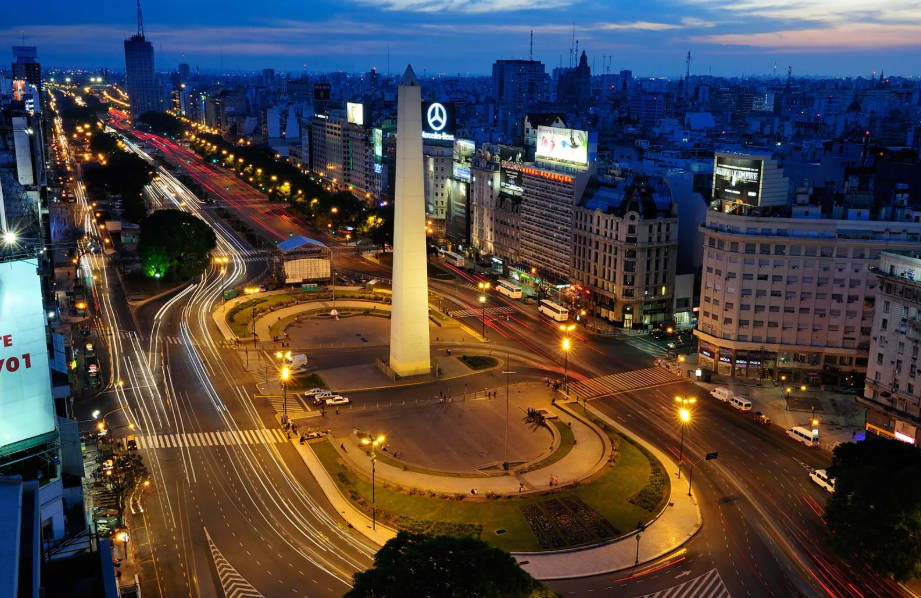
Obelisco de Buenos Aires
The iconic symbol of the city, located in the heart of Buenos Aires at the intersection of Corrientes and 9 de Julio avenues.
-
Teatro Colón
One of the world's most famous opera houses, renowned for its stunning architecture and exceptional acoustics.
-
La Boca Neighborhood
Famous for its colorful Caminito street, tango dancers, and the La Bombonera stadium, home of Boca Juniors football club.
-
Recoleta Cemetery
A historic cemetery where many notable Argentinians are buried, including Eva Perón (Evita).
-
Plaza de Mayo
The historic heart of Buenos Aires, surrounded by important landmarks like the Casa Rosada (Pink House).
Neighborhoods to Explore
Buenos Aires is divided into many distinctive neighborhoods, each with its own character:
San Telmo
One of the oldest neighborhoods, known for its cobblestone streets, colonial architecture, antique shops, and Sunday flea market.
Recoleta
An elegant neighborhood with upscale shops, art galleries, restaurants, and the famous Recoleta Cemetery.
Palermo
The largest neighborhood, divided into Palermo Soho (trendy boutiques and cafes), Palermo Hollywood (restaurants and nightlife), and Palermo Lakes (parks and lakes).
Caballito
A residential neighborhood with parks, museums, and a more local atmosphere than the tourist areas.
Monserrat
The historic center, home to Plaza de Mayo, Casa Rosada, and many government buildings.
Best Places to Eat
Buenos Aires is a food lover's paradise with a diverse culinary scene:
Asado (Argentinian Barbecue)
Try the famous Argentinian barbecue at restaurants like Don Julio, Parrilla El Gran Parrillero, or La Cabrera.
Empanadas
Enjoy these delicious stuffed pastries at Empanadas El Zanjón, La Catedral de las Empanadas, or local bakeries.
Milanesa
Argentina's take on schnitzel, served at many traditional parrillas and family restaurants.
Dulce de Leche
Indulge in this sweet caramel-like spread on pastries, ice cream, or by itself. Try it at Havanna Café or Freddo ice cream shops.
Café Culture
Experience Buenos Aires' famous café culture at historic cafes like Café Tortoni, Café San Bernardo, or Café La Biela.
Where to Stay
Buenos Aires offers accommodation options for every budget:
Luxury Hotels
Stay in five-star hotels like Alvear Palace Hotel, Four Seasons Buenos Aires, or Faena Hotel + Universe.
Boutique Hotels
Experience personalized service at boutique hotels like The Pulitzer, Hotel Madero, or Legado Mitico Buenos Aires.
Mid-Range Hotels
Comfortable options include hotels like NH Collection Buenos Aires Carlton, Melia Buenos Aires, or InterContinental Buenos Aires.
Budget Accommodation
Affordable hostels and guesthouses are available in neighborhoods like Palermo, San Telmo, and Caballito.
Apartments
For longer stays, consider renting an apartment through platforms like Airbnb, especially in Palermo or Recoleta.
Practical Tips
-
The best time to visit is during spring (September-November) and fall (March-May) when the weather is mild.
-
Spanish is the official language. Learn a few basic phrases to help you get around.
-
Carry cash for smaller purchases, as not all places accept credit cards. Exchange money at authorized exchange offices or banks.
-
Take precautions with your belongings, especially in crowded areas like La Boca and San Telmo flea market.
-
Buenos Aires has a late schedule - dinner is typically served after 9:00 PM, and nightlife starts late.
Getting Around
Buenos Aires has an extensive transportation system:
Subte (Subway)
The fastest way to get around the city, with 6 lines covering most tourist areas. Trains run from 5:00 AM to 10:30 PM.
Bus
An extensive bus network covers the entire city, but it can be confusing for tourists. Consider using apps like Moovit or Citymapper.
Taxi
Black and yellow taxis are readily available. Make sure the meter is running, or agree on a fare before starting your journey.
Ride-Sharing
Uber and Cabify operate in Buenos Aires and are often more convenient and safer than traditional taxis.
Walking
Many neighborhoods like Palermo, San Telmo, and Recoleta are pedestrian-friendly and best explored on foot.
Tango in Buenos Aires
Buenos Aires is the birthplace of tango, and experiencing this passionate dance is a must:
Tango Shows
Watch professional tango performances with dinner at places like Esquina Carlos Gardel, Milonga Parakultural, or Café Tortoni.
Milongas
Attend a traditional milonga (tango dance hall) like La Catedral, El Beso, or Club Gricel to see locals dancing tango.
Tango Lessons
Learn the basics of tango at dance schools like探戈 Escuela de Tango de Buenos Aires or Tango Porteño.